
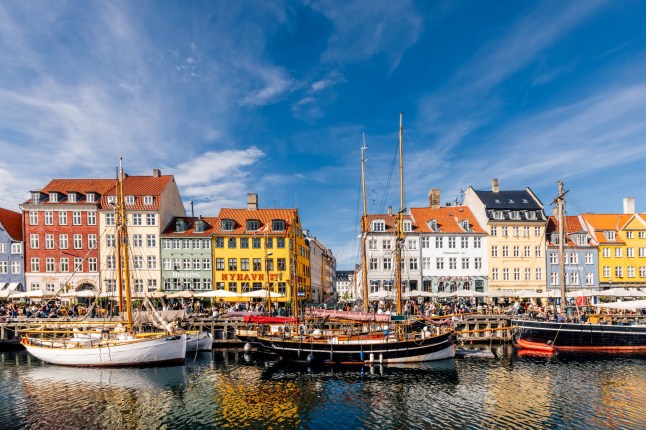
While Brits’ love for southern Europe may never fade, another region has proved itself to be a worthy rival for UK holidaymakers: Scandinavia.
And now, railway operator, European Sleeper, is making it all the more easier to get around.
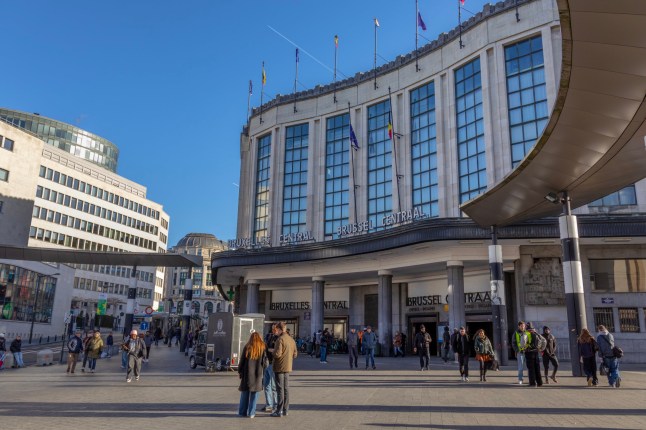
The train company has announced plans for its first night train route to Scandinavia in spring 2028, connecting Brussels and Amsterdam with Copenhagen, and Malmö.
Other cities, such as London, Paris, Stockholm and Oslo, can be reached with one additional change along the route.
The move, in partnership with German railway operator RDC, is part of an expansion to a growing network that already connects Belgium and the Netherlands with destinations in Germany and Czechia.
European Sleeper, which was launched in April 2021, currently operates two routes: Brussels to Prague, and Paris to Berlin.
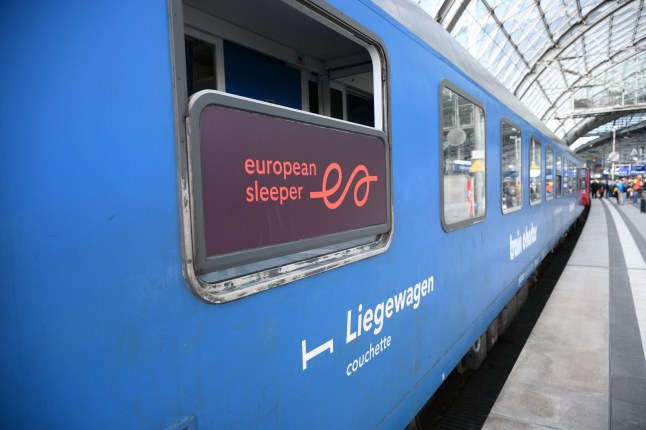
Its third route, the 17-and-a-half-hour journey connecting the Brussels with Milan in northern Italy, will launch on September 9.
The service is expected to run three times a week, with stops including Cologne and Zurich.
Alongside the Scandinavia expansion, the company has also teased plans for a Brussels to Barcelona sleeper train.
What do we know about the new route?
A lot of the details about the new route are still under wraps.
For example, European Sleeper has yet to announce which days of the week the trains will run.
However, what we do know is that the plan is to offer departures from Brussels and Malmo from 7pm, arriving at the other end of the route at 10am the following morning.
The service is also expected to offer the usual night train accommodation found on other European Sleeper train, including seats, couchettes and sleeper compartments.
According to reports, the company is also considering deluxe options, including double beds and private en-suite bathrooms.
How much will it cost?
Prices have not been released for the new route.
However, a one-way ticket on the European Sleeper night train from Paris to Berlin typically starts at £68 per person in a shared compartment.
For a ‘comfort compartment’, fares tend to start from around £100.
Specific prices for the new Scandinavian route will likely go live closer to the launch date.
The rise of the ‘coolcation’
Much more than just the home of ABBA and the Northern Lights, Scandinavia has become increasingly appealing in recent years.
A 2024 report found that searches for travel and holidays in Sweden among UK users increased by 24% compared with 2023.
Similarly, both Norway and Denmark have reported increased international interest.
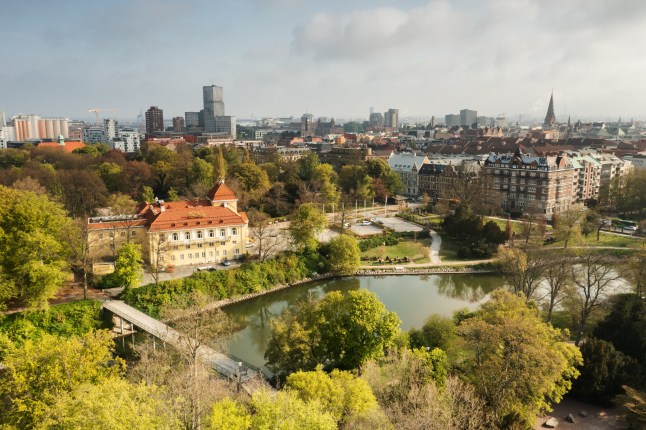
One of the main reasons for this is the rise of the ‘coolcation’.
While Scandinavia boasts beautiful summers, part of its appeal is that it tends to be much milder compared to the blistering heat found in Greece or Spain.
July in Sweden, for example, is pretty much perfect, with temperatures typically hovering between 18 and 22 degrees.
You can still enjoy plenty of sunshine (and even get a tan) without worrying about losing an entire holiday to heatstroke.
Tempted?
Do you have a story you’d like to share? Get in touch by emailing MetroLifestyleTeam@metro.co.uk